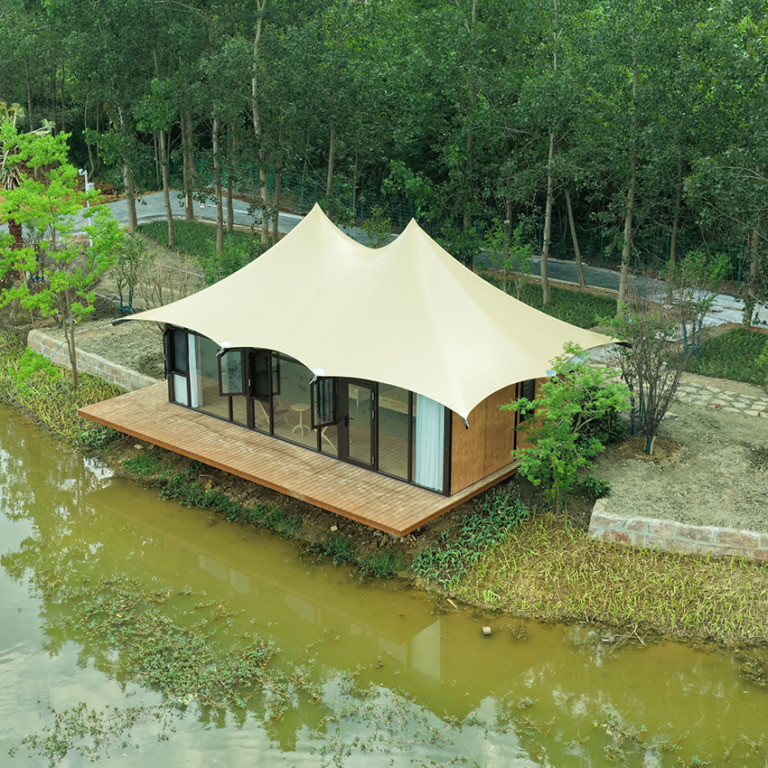
The price of a glamping tent does not have a single fixed standard; instead, it spans a diverse pricing structure ranging from several thousand to tens of thousands of dollars, depending on structural type, material craftsmanship, spatial dimensions, weather resistance, and interior amenities. To precisely meet the varying construction needs of commercial campsites, scenic resort villages, and private leisure projects, market offerings typically fall into the following distinct tiers and categories:
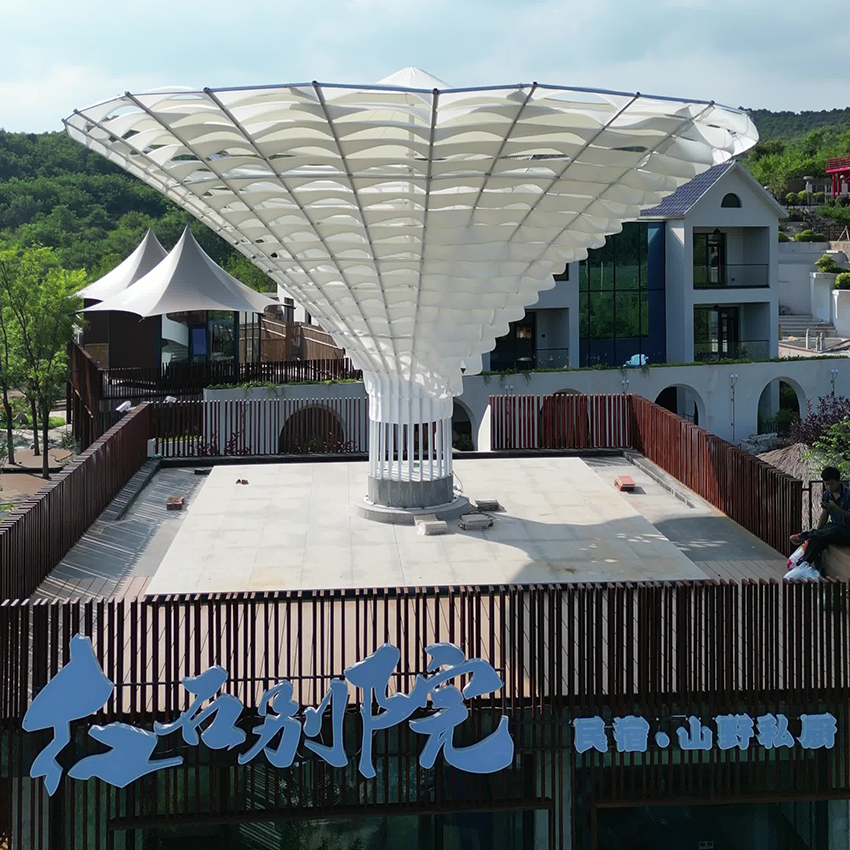
Table of Contents
ToggleBasic Lightweight and Glamping Experience Models ($500 to $2,500)
These tents primarily consist of compact bell tents, delicate two-person single tents, or simplified yurt designs. Featuring lightweight structures with minimal foundation requirements, they boast rapid assembly times. They are exceptionally well-suited for budget-conscious initiatives, lightweight camping models, weekend short-trip experiences, or startup campsite projects. Operators can quickly establish a foundational footprint with low initial capital, significantly shortening their investment return cycle.
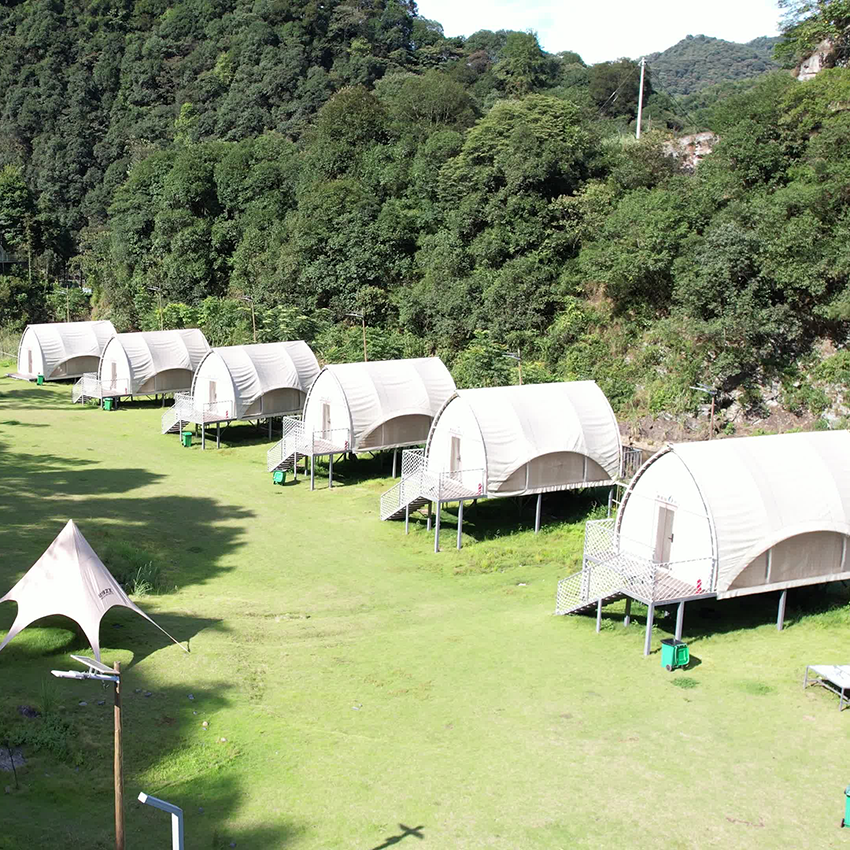
Mainstream Wilderness Luxury Resort Models ($3,000 to $10,000)
Tents in this price bracket represent the mainstream choices most frequently utilized by major scenic areas, Instagram-worthy resorts, and professional campgrounds. Common variations include classic safari ridge tents, apple cabin tents, or oval luxury tents. They generally feature double-layer thickened tent fabric paired with high-strength hot-dip galvanized steel framing or anti-corrosive wood structures. Beyond delivering exceptional wind resistance, waterproofing, flame retardancy, and mold resistance, their aesthetic appeal blends seamlessly into surrounding forests, grasslands, or mountain landscapes, providing visitors with high comfort and privacy.

Flagship Custom and Luxury Multi-Peak Models ($10,000 to $25,000 and Above)
These products belong to the high-end customization category, frequently deployed in top-tier luxury resorts, premium cultural tourism landmarks, or projects pursuing ultimate visitor experiences. Styles encompass large multi-peak linked tents, geodesic dome starlight tents, and double-story loft structures. Their expansive indoor layouts easily accommodate one-bedroom-one-living-room-one-bathroom or even two-bedroom configurations, complete with private bedrooms, tea-reception lounges, modern separated wet-and-dry bathrooms, and massive viewing terraces.
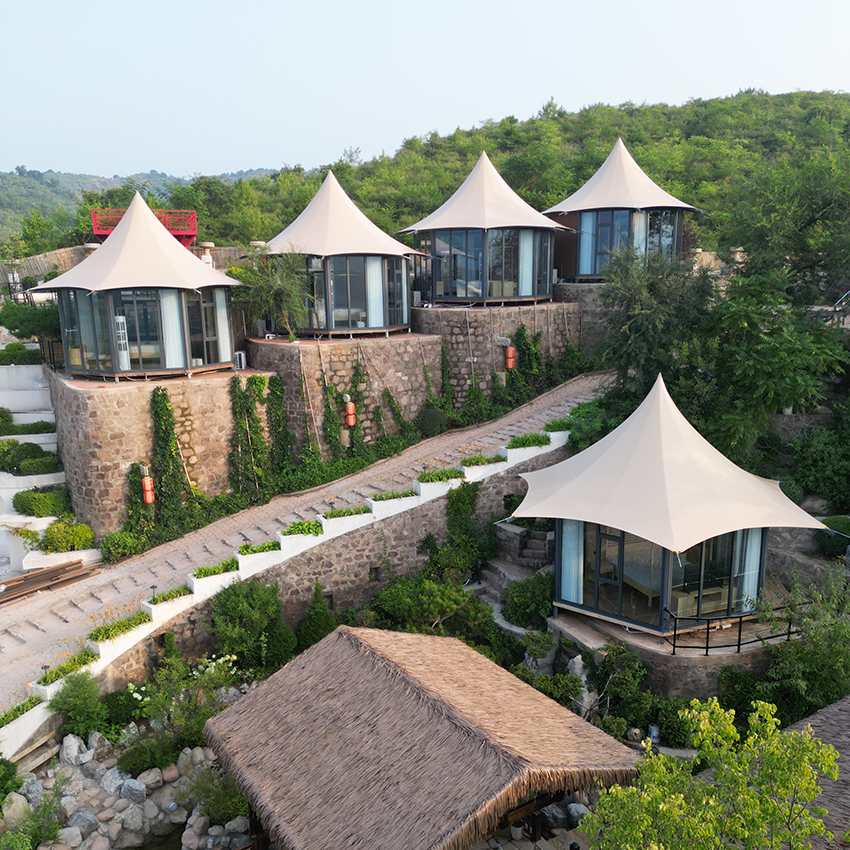
Core Elements Determining Price
Frame and Membrane Quality: Frameworks utilize aviation-grade aluminum alloys or hot-dip galvanized steel pipes offering high compression and deformation resistance; outer membranes rely on architectural-grade PVDF, PTFE, or high-strength coated canvas providing superior self-cleaning, UV resistance, temperature tolerance, and longevity.
Professional Weather-Resistant Structural Design: To withstand extreme climates like high altitudes, gale-force winds, heavy snowfall, high heat, humidity, or coastal salt spray, tents require rigorous structural mechanics engineering.
Completeness of Ancillary Facilities: Many high-end tents support integrated turnkey customization, incorporating insulation layers, double-pane glass doors and windows, concealed plumbing and electrical pre-embedded systems, and bespoke soft furnishings.
When investing in glamping tents, avoid blindly chasing the lowest price or overspending on unnecessary specs; instead, comprehensively evaluate local climate conditions, target audience demographics, land regulations, and long-term maintenance costs. For accurate quotes tailored to your project, sharing specific geographic coordinates, scale projections, and functional expectations will yield the most optimal configuration.